About · The Operator

The operator behind the work.

Decades. Deliberate. Still in the practice.

Most consultants peaked years ago and now teach the playbook they used to run. I still run it. The work on this site is the work I do every week — for founders, owners, leaders, and the ministries that need the same operational rigor with less help available to them.
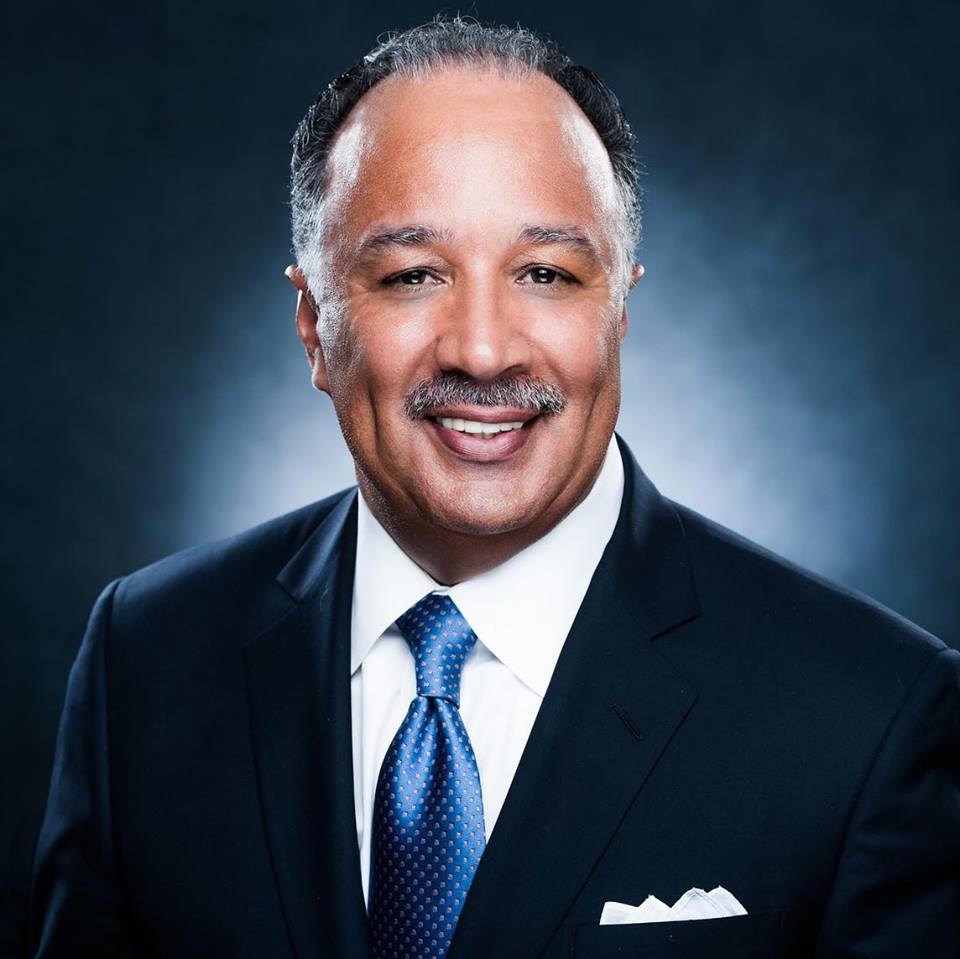
Alan R. Babbitt
The Through-Line

Four roles. One person.

Most operators are good at one of these. Most investors are good at none of them. The work I do at BCCG depends on the four moving together.

Role · 01
Operator
Decades inside the biggest names in enterprise — Digital Equipment, Oracle (11 years), Emerson, Prudential, then Executive Partner at New York Life. Built teams, ran deals, designed programs. The advice I give comes from practice, not theory.
Role · 02
Investor
For the right founder, I can write the check — at the scale of a serious angel — and stay close after I do. Capital with the operator built in. Real money, real standards, real partnership.
Role · 03
Developer of People
Training is not a side hustle. It's a discipline I've practiced for decades — built curricula, taught hundreds, mentored the people who became leaders themselves. Master-teacher, not corporate trainer.
Role · 04
Steward
Fiduciary by license and by habit. Series 7, 24, 26, 63, 65; Life & Health; RICP®. I think about your business architecture — capital, succession, asset protection — in a way most operator-investors can't.
Decades In The Practice

What I've actually done.

Hover a chapter to read what it taught me. The deals were the surface of the work. The real work was underneath.

Xerox

I learned to sell at Xerox. Not the craft of closing — the craft of listening. Of understanding what a real customer actually needs before opening your mouth. That apprenticeship shaped everything that came after. Every account I've ever closed, every advisor I've ever coached, every founder I've ever sat with — they all run on the discipline of hearing first. Xerox taught me that.

Digital Equipment

Inside one of the consequential technology companies of its era. The work was selling and serving the largest banks at a moment when the industry's infrastructure was being rebuilt from the ground up. I learned how decisions actually get made inside organizations that big — what the procurement memo says vs. what the room actually wants. That distinction has been useful in every conversation since.

Oracle

An extended stretch inside Oracle — selling and operating across the largest banks, payment networks, and global enterprises that were quietly running the infrastructure of modern finance. The deals were the surface. The real work was the relationships — with the Big-4 partners on the delivery side, with the customers whose business architecture I had to actually understand before I had any business proposing to change it. The patience that work required is patience I still use.

Emerson

Running global sales programs in life sciences — a chapter where I went from selling for myself to designing the systems and programs other sellers ran on. The move from individual contributor to program architect was the most useful skill jump of my career. It's the same skill that lets me build curricula today.

Own Consulting Practice

A chapter running my own consulting practice. That's when I learned what it actually takes to put your name on the door. Not just the work — the responsibility. The accountability when the deliverable is yours and the relationship is yours and there's no logo behind you. Different kind of confidence comes from that. The founder muscle BCCG runs on today started here, more than a decade before BCCG itself.

Financial Services Leadership

The move into financial services as a fiduciary — first at Prudential, then for nearly a decade in successive senior leadership roles at New York Life, finishing as Executive Partner. The recognition was real and I'm grateful for it, but it's not the part that mattered. What mattered was the teams. The advisors who became leaders themselves. The training programs that produced people who could actually do the job. The hard conversations in private, the encouragement in public. That work is the work I'm proudest of.

Look across the whole stretch and the through-line is clear: relationships built deliberately, the client's actual problem treated as the actual problem, and a steady focus on developing the people doing the work. Different industries. Same craft.

The Credentials Stack

Earned the right to show up.

Licenses, designations, and a teaching invitation that I'm proud of. Each one represents work that was done, not a credential that was bought.

Documented & Current

Series 7 · 24 · 26 · 63 · 65 · Life & Health · RICP® · NYU Stern panelist

I admired Jack Welch's work for years — his operating philosophy, his accountability discipline, the way he led at scale. I reached out to his wife Suzy Welch on social to tell her so. She took a liking to me, and she has invited me back to NYU Stern multiple times over the last several years to sit on her MBA class panels, delivering real-world managerial perspective to rooms of 80–100 students. That's how the NYU Stern credential was earned — not bought, not gamed, earned by genuine connection and validated by repeat invitations.

Series 7 — General Securities Representative
Series 24 — General Securities Principal
Series 26 — Investment Company Products Principal
Series 63 — Uniform Securities Agent
Series 65 — Uniform Investment Adviser
Life & Health Insurance — multiple states
RICP® — Retirement Income Certified Professional, The American College
NYU Stern — MBA class panelist, multiple invitations
Northeastern University — Business Administration
Kean University — Management
Prudential Presidents Club Conference Qualifier — multiple years
Prudential Annuities Masters Council, Bronze Level — multiple years
The Leaders I Learned From

The lineage. In their own words.

Most consultants list the airport books. I name the people whose thinking I've actually internalized — over years, in cases I'm proud of and cases I'd run differently now.

Peter Drucker
Foundational · earliest read
Productivity as a discipline. Management as a real practice. "What gets measured gets managed." The customer as the focus. Drucker was one of my first reads coming into business — and the through-line behind everything that followed.
Jack & Suzy Welch
Operating at scale · NYU Stern
Jack for the operating philosophy — accountability, performance management, leading large and fast. Suzy for the teaching craft and the unexpected door she opened at NYU Stern, where I've now contributed to her MBA classes multiple times.
Nick Saban
Capability over potential
The leader's job is to see capability the person can't see in themselves — and close the capability gap. I use Saban's language deliberately. "Capability" is concrete and respectful; "potential" is flattery.
Jim Rohn
Mindset · discipline · the long view
Build the person before the position. Mindset is foundational; without it the techniques don't compound. Rohn's voice shows up every time I coach someone through a long, unglamorous stretch.
Zig Ziglar
Service · character · the original encourager
"You can have everything in life you want, if you will just help enough other people get what they want." Ziglar was my first introduction to sales-as-service. I still have the cassette tapes.
William Ury & Roger Fisher
Harvard Negotiation Project
Getting to Yes. Separate the people from the problem. Focus on interests, not positions. The discipline that turns hard conversations into mutual outcomes — without compromising the standard either side came in with.

Lencioni, Coyle, Goleman, and Einstein round out the lineage — those notes live on the home page.

How I Teach

Three moves, in the right order.

Deductive to show the principle. Inductive to live it. Socratic to make the room think. One method, three modes — sequenced deliberately.

See how I train →

The Three Reactions

The standard I hold myself to.

After every engagement — every coaching session, every keynote, every founder call, every meeting at the church — I ask myself one question. Did I leave the person wanting one of three things?

They want to operate the way I operate. They saw something they can model.
They want me in their corner. They saw something they trust.
They see themselves clearer. They saw something that woke them up to who they already are.
Three reactions. Three different forms of impact. One standard I won't compromise.
Outside The Boardroom

The work that grounds the work.

I serve actively at Living Word Church. Churches and ministries face the same operational and leadership challenges as any business — with less help available to them. That's the Giver part of me in practice — not a side project, not a credential — the part that makes the rest of what I do feel like service rather than transaction.

I'm married to my wife Kim since the early 1980s. Our three children are out doing serious work of their own — public service, healthcare, athletics at a national level. The discipline I bring to client work was first practiced at home.

A Note On The Ministry Audience
If you're leading a ministry, I want to hear from you. BCCG works with ministries inside the same Build and Train pillars we work with businesses inside. Same rigor, stewardship voice, no doctrine on the commercial table.
What's Next

The next chapter is already started.

After decades inside enterprise — the last stretch as Executive Partner at New York Life — that chapter closes August 31. September 1 begins the next one — full-time on my own work, undivided.

Closing one chapter so the next one can be undivided.

The honest answer for why now: I had more capability to deploy than the role I was in could absorb. Decades of operating, the AI fluency I've spent years building, the capital to back founders I believe in, and the conviction that the next ten years of my work should be the most concentrated of all of them.

What that looks like in practice: starting businesses with founders, backing the right ones, building the systems that make them run, and staying close to the church and community that grounds it.

If you have something in motion that fits any of that — don't wait until September. The work has already started; the conversation can start now.

Now — Active engagements · accepting introductions Sept 2026 — Full-time begins Late 2026 — Founder & capital deployments accelerating

If any of this resonates — start the conversation.

Pick a 30-minute Exploratory Chat slot, or email me directly. I read every note that comes in.

Babbitt Consulting & Capital Group · info@babbittcapital.com · United States of America 🇺🇸